What Is Social Media?
Introduction
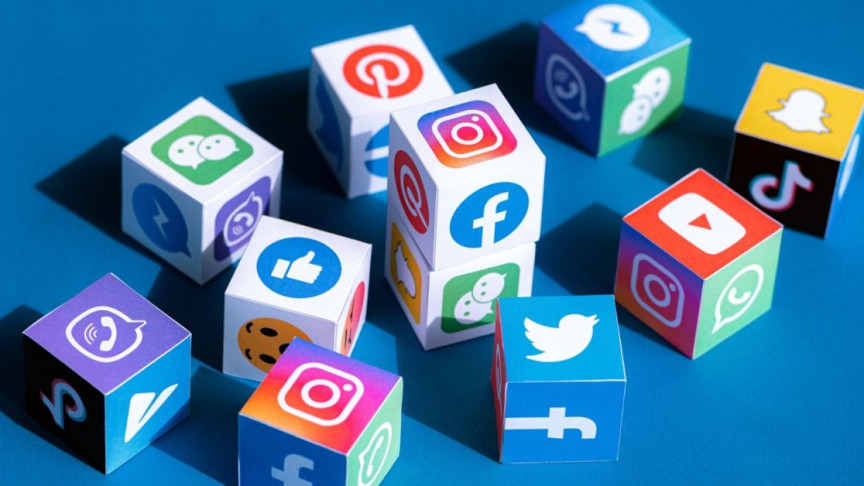
Social media has become one of the most influential digital tools of the modern era, shaping the way people communicate, share information, and interact globally. It connects individuals, communities, and businesses in real time, making it a powerful platform for communication, marketing, networking, and self-expression. As it continues to evolve, social media plays an increasingly important role in shaping culture, trends, and global conversations.
Social media refers to online platforms and applications that allow users to create, share, and interact with content. These platforms support a variety of formats such as text posts, images, videos, live streams, and audio clips. They encourage engagement through likes, comments, shares, and direct messaging, making communication more dynamic and interactive.
Types of Social Media Platforms
1. Social Networking Sites
These platforms help people connect, share updates, and maintain relationships.
Examples include:
- General networking platforms
- Professional networking sites
2. Media Sharing Platforms
These allow users to share visual or audio content.
Common formats include:
- Photos
- Videos
- Short clips
- Live streams
3. Microblogging Platforms
Focused on short, quick updates that encourage fast communication.
4. Discussion Forums and Communities
These platforms support long-form discussions and problem-solving within niche topics.
5. Messaging and Chat Applications
They enable private or group communication through texts, voice notes, and calls.
How Social Media Works
Social media platforms rely on user-generated content and algorithms that determine what appears in a user’s feed.
Key elements include:
- Profiles for user identity
- News feeds that show relevant updates
- Content creation tools for posting media
- Algorithms that personalize experiences
- Engagement features such as comments, likes, and shares
- Analytics tools for businesses and creators
These components work together to create an immersive and interactive digital environment.
Benefits of Social Media
1. Enhanced Communication
Social media allows instant communication across distances, strengthening personal and professional relationships.
2. Access to Information
Users can stay updated on news, trends, and global events in real time.
3. Business Growth and Marketing
Brands use social platforms for advertising, customer engagement, and sales.
4. Networking Opportunities
Professionals can build connections, share achievements, and explore opportunities.
5. Creative Expression
Users can share their art, ideas, and opinions with a broad audience.
6. Community Building
Social media helps people find communities based on shared interests, causes, or lifestyles.
Challenges of Social Media
1. Privacy Concerns
User data may be at risk due to breaches or misuse.
2. Misinformation
False or misleading content can spread quickly.
3. Cyberbullying
Negative interactions and harassment can impact mental well-being.
4. Screen Addiction
Excessive use can affect productivity, sleep, and mental health.
5. Overwhelming Competition for Businesses
Standing out requires consistent strategy, creativity, and resources.
Influence of Social Media on Society
1. Cultural Impact
Social trends, memes, and viral content often shape popular culture.
2. Political Influence
Social platforms can amplify political messages, campaigns, and public discussions.
3. Consumer Behavior
Reviews, influencers, and targeted ads strongly influence buying decisions.
4. Education and Learning
Users access tutorials, courses, and informational content from experts.
Effective Strategies for Using Social Media
1. Maintain Consistent Posting
Regular content helps build visibility and engagement.
2. Use High-Quality Visuals
Appealing images and videos attract more attention.
3. Analyze Performance
Insights and analytics guide better content decisions.
4. Engage Actively
Responding to comments and messages builds trust and loyalty.
5. Stay Updated with Trends
Adapting to new features or formats keeps content relevant.
Future Trends in Social Media
1. Short Video Dominance
Short-form videos continue to lead engagement across platforms.
2. AI-Driven Personalization
AI tools tailor feeds, ads, and recommendations for users.
3. Growth of Influencer Marketing
Brands increasingly rely on creators for authentic promotion.
4. Virtual and Augmented Reality Integration
Immersive experiences will shape how users interact with content.
Conclusion
Social media has become an essential part of daily life and global communication. Its influence spans entertainment, business, education, and culture. While it offers numerous benefits, it also requires responsible use to avoid challenges such as misinformation, privacy risks, and digital fatigue. When used thoughtfully, social media serves as a powerful platform for connection, creativity, and growth.
FAQs
1. How does social media affect mental health?
It can positively support social connection, but excessive use or exposure to negative content may impact emotional well-being.
2. Which social media platforms are best for businesses?
The ideal platform depends on the audience, but many businesses prefer visual, short-form, or professional networking platforms.
3. Can social media be used for education?
Yes, many platforms offer tutorials, online classes, and expert insights.
4. What skills are needed for successful social media management?
Creativity, communication, analytics, and trend awareness are key.
5. How can users protect their privacy online?
They can review privacy settings, use strong passwords, and avoid sharing sensitive information.
6. What is the role of influencers on social media?
Influencers shape trends, review products, and impact consumer decisions through relatable content.
7. How do algorithms affect what users see?
Algorithms analyze user behavior to display personalized content that aligns with interests.
If you’d like, I can also write articles on Social Media Marketing, Social Media Trends, or Impact of Social Platforms on Business.