Green Hydrogen Microgrids: A Key Platform For Skill-Based Energy Education
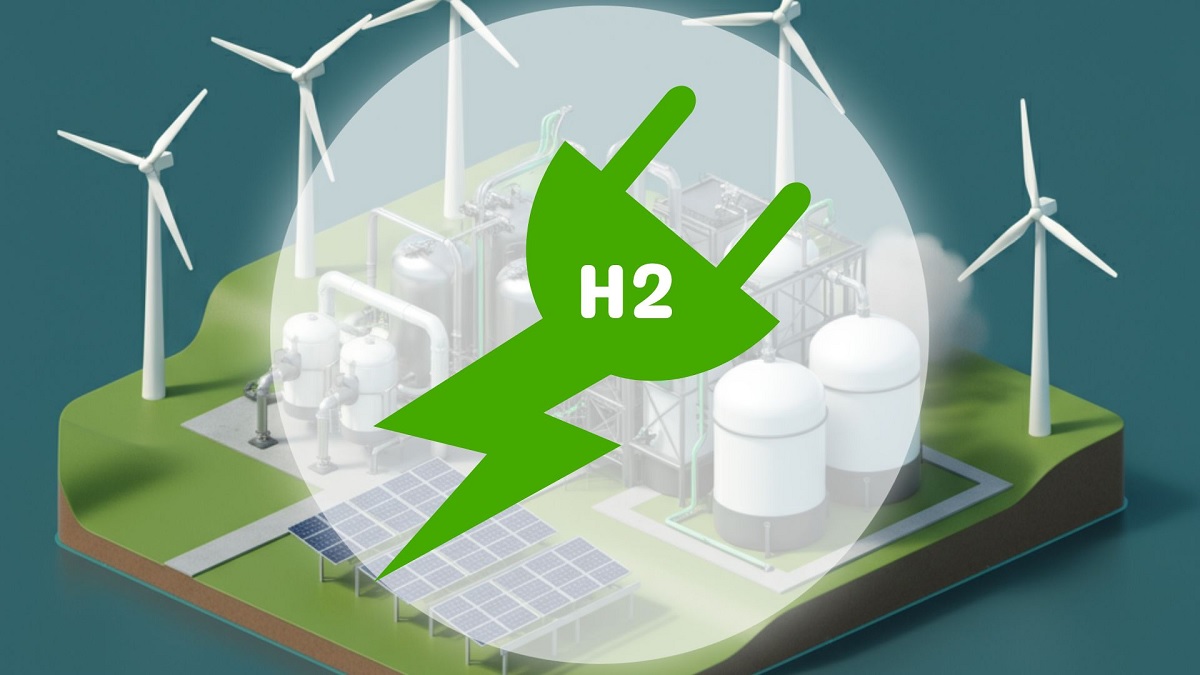
We do live in the era when everybody is talking about transitioning to cleaner energy. And right there at the center of that discussion is the green hydrogen microgrid, not only high-tech but also a living, breathing studio of students that have the desire to put what they are learning into practice.
Suppose, a student does not read about electrolysis in his/her textbook, but in front of a running unit he/she observes how water is divided into hydrogen and oxygen thanks to the power produced by the rooftop solar panels. The fact that hydrogen is stored and then supplies a fuel cell to retain the lights on during the dark is afterwards. These systems can be small-scale in nature (usually between 50 and 500 kW) yet strong enough to impart real-life lessons.
Hands-On Beats Slideshows Every Time
Think of a lab where the equipment itself is the lesson. That’s exactly what a green hydrogen microgrid offers. Large national hydrogen plants are often too distant, expensive, or complex for most institutions. A campus microgrid, on the other hand, fits within reach.
Students can tweak system parameters, observe how cloudy weather impacts production, and learn how to maintain stability when the fuel cell takes over. They graduate with practical expertise in wiring power electronics, programming controllers, and following safety protocols, all highly sought-after skills in the growing hydrogen industry.
It’s Not Just for Engineers
A green hydrogen microgrid supports interdisciplinary learning.
- Chemistry majors can test water quality for the electrolyzer.
- Environmental studies students can analyze emissions, discovering that hydrogen remains “green” only when powered by renewable energy.
- Business students can create cost models, weighing upfront capital expenses.
Closing the Skills Gap For Real
According to IRENA, the hydrogen industry could generate over 30 million jobs by 2050. Yet, most traditional training programs remain focused on oil and gas systems. Graduates may know diesel generators but not hydrogen compressors.
A microgrid changes that. It provides comprehensive training through one integrated platform:
- Technical skills: PLC coding, SCADA monitoring, safe hydrogen handling.
- Safety fundamentals: leak detection, pressure management, emergency procedures.
- Professional skills: teamwork, data collection, and effective report writing.
Trade schools adopting such systems report graduates securing jobs 40% faster, thanks to hands-on proof of their abilities.
How Schools Can Get Started
Building a green hydrogen training program doesn’t require massive investment. Here’s a practical roadmap:
- Partner with equipment manufacturers for discounts and instructor training.
- Starting small a 10–20 kW pilot system can be established.
- Integrate the microgrid into existing renewable energy courses.
- Offer certification programs recognized by industry employers.
- Community colleges are already paving the way.
Conclusion
These microgrids do more than teach technology; they teach systems thinking. A cloudy day doesn’t just mean less hydrogen; it reveals how weather, economics, policy, and reliability are interlinked.
The individuals who will shape our clean energy future aren’t in boardrooms yet they’re in classrooms, labs, and workshops. A green hydrogen microgrid isn’t just equipment; it’s a launchpad for the workforce that will drive the global transition to net-zero energy.
The technology exists. The educational framework is emerging. Now, it’s time for institutions to recognize that the most powerful classroom might just be a sun-powered electrolyzer quietly creating fuel and shaping the future of sustainable energy, one student at a time.