Smart Wearables Meet Hot Studios: How Technology is Enhancing Bikram Yoga Practice
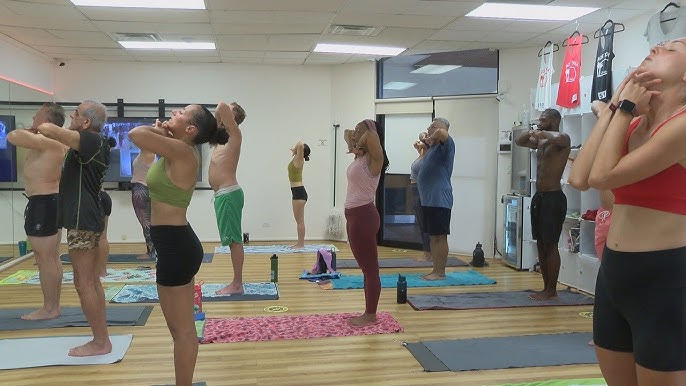
Bikram yoga has long been recognised as a discipline that strengthens both body and mind. Practised in a heated environment of about 40°C with high humidity, it challenges participants to stay focused, hydrated, and resilient. While the practice itself has remained largely unchanged in its sequence of 26 postures and 2 breathing exercises, the way it is experienced has evolved. With the rise of wearable technology and health-tracking tools, bikram yoga is now entering a new era where data and mindfulness work hand in hand to enhance performance and safety.
The Role of Technology in Modern Fitness
Technology has revolutionised fitness in recent years. From step counters to heart rate monitors, wearables now provide insights into how the body responds to exercise. These tools are no longer limited to runners, cyclists, or gym-goers. Yogis too are beginning to embrace devices that track hydration levels, body temperature, and stress responses.
For practitioners of bikram yoga, this integration offers valuable feedback in a high-intensity, heated environment where small adjustments can make a big difference.
Heart Rate Monitoring in a Heated Room
One of the most immediate benefits of wearables in bikram yoga is heart rate monitoring. The heat naturally elevates the heart rate, and poses that require strength and balance intensify the effect.
By using smartwatches or chest straps, practitioners can:
-
Ensure they remain within a safe heart rate range.
-
Track cardiovascular improvements over time.
-
Understand how heat influences exertion compared to non-heated workouts.
This awareness helps prevent overexertion while maximising the cardiovascular benefits of the practice.
Hydration Tracking with Smart Devices
Dehydration is one of the biggest challenges in bikram yoga. Sweating is profuse, and fluid loss can quickly impact performance and focus. Modern wearables now offer hydration reminders or even advanced features that estimate sweat and fluid loss.
Practical uses in the yoga studio:
-
Reminders to drink water before and after class.
-
Alerts when hydration levels drop too low.
-
Long-term analysis of hydration patterns across multiple sessions.
For busy Singaporeans navigating a humid climate daily, these features help ensure hydration is managed effectively both in and outside the studio.
Thermal Body Sensors and Heat Adaptation
Some advanced wearables are equipped with temperature sensors that track body heat fluctuations. In bikram yoga, where external heat adds an extra layer of intensity, these devices provide real-time insights.
Benefits include:
-
Detecting early signs of overheating.
-
Teaching the body’s adaptation response over time.
-
Adjusting pace or posture when temperature thresholds are exceeded.
This adds a safety layer for beginners who may be unfamiliar with practising in high heat.
Posture and Alignment with AI-Powered Tools
Correct alignment is vital in bikram yoga. Misalignment not only reduces effectiveness but can also cause injury. AI-driven apps and camera-based posture correction tools are now being used to enhance practice.
How they assist practitioners:
-
Providing instant feedback on alignment during poses.
-
Suggesting corrections to improve balance and posture.
-
Tracking progress in flexibility and strength across sessions.
When paired with instructor guidance, these tools act as supportive aids, especially for those practising outside the studio on occasion.
Breathing Awareness Through Tech Integration
Breathing is central to bikram yoga, and some smart devices now track breathing patterns. These tools measure inhalation depth, exhalation length, and rhythm, helping practitioners refine their control.
Benefits for bikram yogis include:
-
Developing consistency in breathing despite heat-induced stress.
-
Reducing shallow breathing that often accompanies fatigue.
-
Supporting relaxation and stress relief after practice.
With better breathing awareness, participants can access deeper states of calm and focus, both in class and in daily life.
Data-Driven Motivation and Progress Tracking
Wearables also serve as motivational tools. Seeing progress in numbers can encourage practitioners to stay consistent. For bikram yoga, this might mean monitoring:
-
Calorie burn during a session.
-
Weekly improvements in endurance.
-
Lower resting heart rate over time.
-
Hydration habits becoming more regular.
By turning invisible progress into tangible data, wearables keep motivation high and make long-term practice more rewarding.
Enhancing Safety and Accessibility
For newcomers, bikram yoga can seem intimidating due to the heat and intensity. Technology lowers the barrier by making the experience safer and more measurable. Beginners can track how their body responds and gradually build resilience with real-time guidance.
Similarly, experienced practitioners can push themselves intelligently, using data to ensure they remain within safe limits while exploring new depths in their practice.
Balancing Tech with Mindfulness
While technology offers many benefits, it is important not to let devices distract from the essence of yoga. Bikram yoga is rooted in mindfulness, presence, and inner awareness. Wearables should act as supportive companions rather than replacements for intuition.
The ideal balance comes from using data before and after practice for reflection, while allowing the session itself to remain free from digital distractions.
Future of Bikram Yoga and Technology
Looking ahead, the integration of virtual reality, biofeedback devices, and AI-driven personalised yoga plans may further transform the bikram yoga experience. These innovations could bring even greater precision to hydration, posture, and stress management.
For Singapore’s fast-paced urban population, this merging of tradition with technology creates a practice that is both ancient and modern, offering resilience for today’s lifestyle challenges.
Communities such as Yoga Edition already create spaces where practitioners can explore bikram yoga deeply. With the added support of technology, the practice becomes more adaptive, personalised, and accessible than ever before.
FAQs About Technology and Bikram Yoga
Q. Do I need a wearable to practise bikram yoga effectively?
No. The practice itself is complete without devices. Wearables simply add insights and safety measures that can enhance the experience.
Q. Are wearables safe to use in a heated yoga studio?
Yes, most modern devices are designed to withstand sweat and moderate heat. However, it is best to choose water- and sweat-resistant models.
Q. Can wearables replace instructor guidance in bikram yoga?
No. Technology provides data and feedback, but the expertise of a certified instructor remains invaluable for safe alignment and posture correction.
Q. How can beginners use technology without being overwhelmed?
Start simple. A basic smartwatch for hydration reminders and heart rate monitoring is enough. More advanced tools can be added later as confidence grows.
Q. Will relying on technology reduce the mindfulness aspect of yoga?
Not if used wisely. The key is to review data before and after class while staying fully present during practice. This way, mindfulness remains the core of the experience.