Technology Meets Fitness: How Personal Trainers in Singapore Use Apps and Wearables
The fitness industry has evolved dramatically in recent years. While traditional training focused on sets, reps, and general guidance, technology has now become an essential partner in improving performance and tracking progress. For anyone working with a personal gym trainer Singapore, apps and wearable devices have transformed the training experience. These tools give trainers and clients more data, better insights, and greater accountability, making every session more efficient and effective.
In a modern city like Singapore, where busy lifestyles demand precision and convenience, integrating technology into training is no longer optional. It helps professionals stay consistent, provides accurate performance feedback, and bridges the gap between in-person sessions and independent workouts. Trainers who embrace technology are better positioned to help their clients achieve sustainable results.
The Rise of Technology in Personal Training
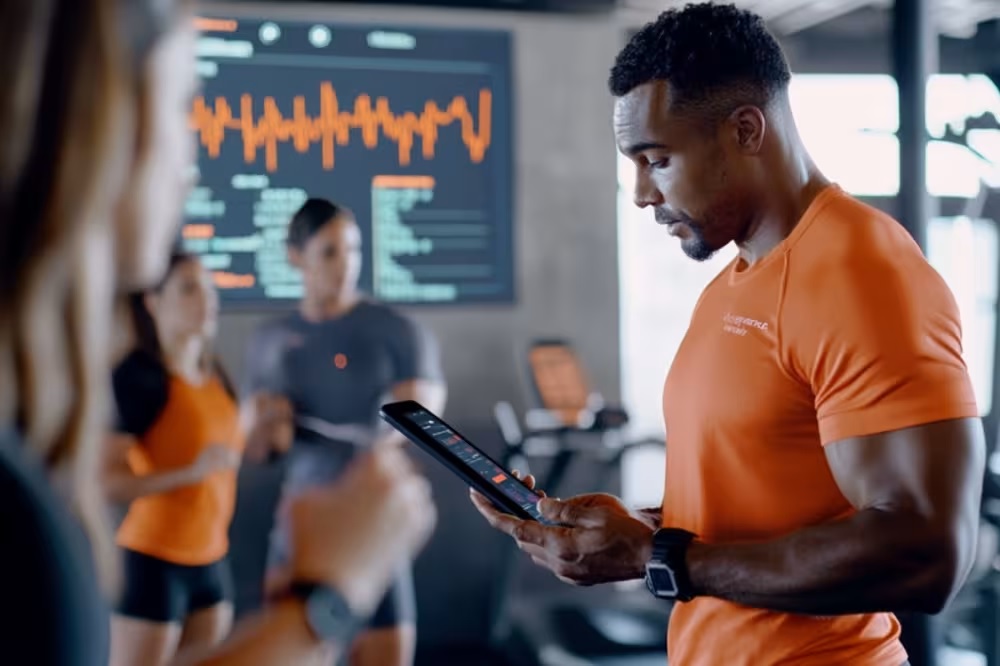
Fitness apps and wearables were once seen as extras, but today they are central to how trainers manage and customise programmes. Devices such as smartwatches, heart rate monitors, and body composition analysers provide real-time information about a client’s performance. Apps store progress, track nutrition, and send reminders that keep clients on course.
For personal trainers, this technology serves two main purposes:
-
Assessment and feedback: Trainers use data to monitor performance and adjust plans.
-
Accountability and motivation: Clients can see measurable improvements, which reinforces commitment.
This combination of science and coaching creates a powerful synergy between trainer and client.
Common Types of Fitness Technology Trainers Use
Personal trainers in Singapore leverage a wide range of technologies to enhance training:
-
Wearable fitness trackers: Devices such as smartwatches record heart rate, calories burned, steps taken, and sleep quality.
-
Mobile apps: Used to track workouts, log nutrition, and send reminders.
-
Body composition analysers: Tools that measure fat percentage, muscle mass, and hydration levels.
-
Virtual platforms: Trainers may use video apps for online sessions with travelling clients.
These tools make training more engaging, scientific, and adaptable to each person’s needs.
Tracking Progress with Wearables
One of the biggest advantages of wearables is the ability to track progress with precision. Trainers use metrics such as resting heart rate, workout intensity, and calorie expenditure to evaluate whether a client is on the right path.
For example:
-
A trainer may notice that a client’s heart rate stays too low during cardio, signalling the need for higher intensity.
-
Sleep data may show poor recovery, prompting a trainer to adjust the programme.
-
Daily step counts can reveal whether clients remain active outside the gym.
These insights create a complete picture of health, not just performance during workouts.
Personalised Programmes Through Data
Data gathered from apps and wearables allows trainers to design highly customised programmes. Instead of generic workout templates, trainers use information about energy expenditure, recovery, and nutrition patterns to adapt sessions.
For instance, if a client’s wearable shows elevated stress levels and poor sleep, the trainer may schedule a lower-intensity workout with mobility exercises instead of pushing for heavy lifting. This responsiveness ensures safety and prevents burnout.
Nutrition Tracking Made Practical
Trainers often encourage clients to log meals using nutrition apps. These platforms track calorie intake, macronutrient balance, and hydration. By reviewing these logs, trainers provide targeted advice.
Instead of vague recommendations like “eat healthier,” trainers can suggest specific adjustments:
-
Increasing protein intake for muscle growth.
-
Reducing refined sugars to support fat loss.
-
Timing meals around workouts for improved energy and recovery.
This level of detail ensures that dietary habits support training goals effectively.
Remote Coaching and Virtual Support
With many professionals in Singapore travelling frequently, remote coaching is now in high demand. Trainers use apps to send customised workout plans, check progress, and even conduct virtual sessions.
This means clients remain consistent even when abroad. Technology bridges the distance, ensuring that guidance and accountability continue without interruption. It also helps trainers adapt quickly if a client’s travel schedule changes suddenly.
Gamification and Motivation
Apps and wearables often include gamification features, such as achievement badges, leaderboards, or streak tracking. Trainers use these features to boost motivation and keep clients engaged.
For example, a client may aim to hit 10,000 steps daily or close all activity rings on their smartwatch. These small achievements, when tracked and celebrated, create consistent motivation that reinforces long-term habits.
Data-Driven Injury Prevention
Another advantage of wearables is early injury prevention. Sudden drops in recovery scores, increased fatigue, or irregular heart rate patterns can alert trainers to potential problems. By spotting these signs, trainers can scale back intensity or recommend rest before injuries occur.
This proactive approach ensures safer, more sustainable training outcomes.
The Balance Between Technology and Human Coaching
While apps and wearables are powerful tools, they do not replace human expertise. Technology provides numbers, but trainers interpret the data and design practical strategies around it. The human element remains vital for motivation, empathy, and adaptation to each client’s needs.
Clients benefit most when technology and personal coaching work hand in hand. Trainers bring accountability and encouragement, while technology supplies measurable evidence of progress.
Challenges and Considerations
While beneficial, technology in fitness also has its challenges:
-
Data overload: Too much information can overwhelm clients. Trainers help filter and prioritise what matters most.
-
Device accuracy: Not all wearables are 100 percent precise, so trainers cross-check with physical assessments.
-
Consistency in logging: Nutrition apps only work if clients remember to log meals. Trainers motivate clients to maintain consistency.
By addressing these issues, trainers ensure technology remains a supportive tool rather than a distraction.
True Fitness Singapore and the Smart Approach to Training
At True Fitness Singapore, technology is integrated into personal training programmes to enhance results. Trainers combine wearable data, nutrition tracking, and customised programming to create effective, client-centred fitness plans. The goal is to ensure every session, whether in the gym or outside it, contributes to long-term success.
FAQs on Technology in Personal Training
Q. Do I need to buy expensive wearables to benefit from tech-based training?
Not necessarily. Many trainers work with basic devices like entry-level smartwatches or even free mobile apps. The key is consistency in using whatever tool you choose.
Q. Can a personal trainer monitor my progress outside of gym sessions?
Yes. With apps and wearables, trainers can review data such as step counts, calorie expenditure, and logged workouts. This allows them to provide feedback even when you are not physically at the gym.
Q. How accurate are fitness trackers for calories burned?
They are not 100 percent accurate, but they give useful trends. Trainers interpret the data alongside other measurements to adjust programmes effectively.
Q. What if I am not good with technology? Can I still train effectively?
Absolutely. Trainers can simplify the process by setting up apps for you and showing only the essential features. The focus is always on making progress, not overwhelming clients with numbers.
Q. Do wearables really help prevent injuries?
Yes. By tracking stress, fatigue, and recovery, wearables highlight potential issues before they turn into injuries. Trainers use this information to adjust workloads safely.