Inside the Mind of a Rogue Drone Pilot: How Sonoran Desert Institute Explores the Psychology Behind Risky Flights
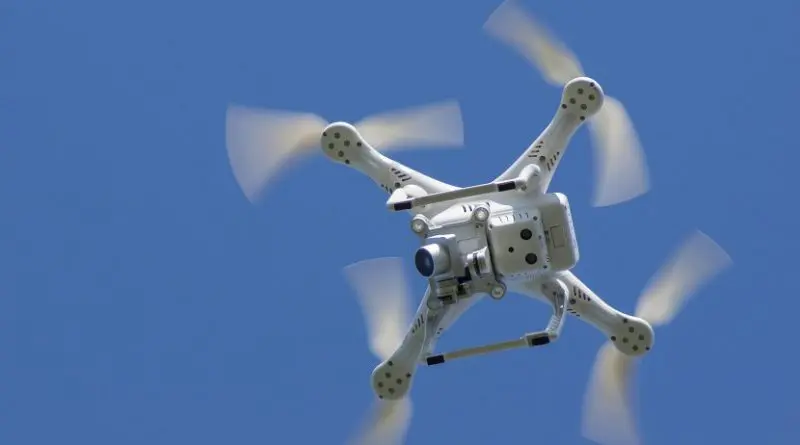
Unauthorized drone flights near airports aren’t just technical violations. Their decisions are driven by psychology, shaped by individuals who underestimate consequences or overestimate their control. Sonoran Desert Institute (SDI), accredited by the Distance Education Accrediting Commission (DEAC), offers training and flexible online coursework that emphasizes safety-first thinking and equips pilots to make responsible, informed decisions.
From casual hobbyists to overconfident thrill-seekers, rogue drone pilots often act out of ignorance, misjudgment or misplaced confidence. Understanding this mindset is key to reducing near-miss events and keeping public airspace safe.
Not All Violators Fit One Profile
There is no single personality type behind every airport drone incident. Some operators simply don’t know the rules. Others know them and choose to ignore them. A few believe they’re skilled enough to avoid detection or danger. What they all share is a gap in judgment, and that gap often widens when drones are used without formal education or certification.
For many first-time users, flying a drone feels harmless. The device is small, the flight path is short and the airport may seem distant. But what seems like a minor act can result in major consequences. Even a small drone flying near the final approach can cause severe disruption, delay or damage.
The Misunderstanding of Risk
Most rogue drone pilots don’t consider themselves reckless. In their minds, the flight is safe because it’s short, under control, or within a line of sight. This thinking ignores how fast aircraft move, how limited a drone pilot’s perspective can be and how difficult it is for human-crewed aircraft to respond to obstacles at speed.
Many pilots also mistakenly believe that commercial aircraft can easily steer clear of drones or that getting caught is unlikely. These false assumptions encourage risky behavior, without fully grasping that they’re putting unseen lives in danger.
Sonora Desert Institute’s curriculum emphasizes both drone operation skills and the importance of airspace safety, building a comprehensive understanding among students. It emphasizes the real consequences of unsafe behavior and reinforces risk awareness in every aspect of flight instruction.
The Allure of the Restricted Zone
For some drone users, flying near an airport is a challenge, a test of skill or stealth. Social media has amplified this behavior by turning risky flights into attention-grabbing content. Operators post videos captured illegally over cityscapes or airport corridors, chasing views, while ignoring the consequences.
It isn’t just poor judgment. It reflects a deeper disconnect between the action and the stakes. The drone pilot may feel alone and in control. The aircraft pilot on approach doesn’t see a daring hobbyist, but a potential collision threat.
What makes this more dangerous is the growing power of affordable drones. With greater range, speed and altitude, even small consumer drones can now easily reach controlled airspace. Without clear boundaries, whether personal or technical, the risk of misuse increases.
Confidence Without Competence
Overconfidence is another key factor in unauthorized drone flights. Some pilots assume that their grasp of GPS, flight limits or controller functions makes them immune to error. While they may understand how to fly, they often lack a deeper understanding of airspace management and broader aviation coordination.
These individuals often fly too close, too high or too fast, convinced that their equipment and awareness can keep them safe. What they often overlook is the shared nature of airspace. Other pilots may not know they’re there, can’t always see them and can’t avoid what they don’t expect.
Gaps in Education and Enforcement
The current system allows many drone pilots to fly without ever reading an FAA guideline or completing structured training. While commercial operators must pass a certification exam, recreational users can buy and launch a drone with no formal instruction.
That leaves a wide gray area where good intentions meet poor execution. A new hobbyist might not know how to read an airspace map, or a backyard user might not check out temporary flight restrictions. These small oversights can have large consequences.
The Role of Structured Training
Education is the most effective way to shift behavior. Pilots who understand the impact of their decisions are less likely to take risks. They know what’s at stake, what the rules are and how to avoid unsafe situations.
Training also builds a professional mindset. Instead of flying for fun or attention, trained operators fly with purpose and accountability. They respect regulations not because they’re afraid of punishment, but because they understand the reason behind them.
Sonora Desert Institute instills a sense of responsibility in drone operation by combining technical skills with airspace awareness, designed to prepare students for safe operations.
Designing Drones to Protect the Sky
Technology can also help reduce risks. Manufacturers are adding features like geofencing, altitude limits and return-to-home functions that restrict flights in no-go zones. These tools are effective, but not foolproof. Users can override settings, and older models may lack these safeguards.
Still, software limits combined with education offer the best path forward. When pilots understand the boundaries, and their drones are programmed to support them, risky flights become far less likely.
Changing the Culture of Drone Use
To truly reduce unauthorized flights near airports, the culture around drones must shift. Flying near restricted zones shouldn’t be seen as edgy or impressive. It should be viewed as dangerous, selfish and unacceptable. This shift requires public awareness campaigns, stronger community norms and visible consequences for violations. Pilots must be reminded that the sky is a shared space, and that every flight decision matters.
Unauthorized drone flights near airports are not just lapses in judgment. They reflect a gap in knowledge, training and accountability. Closing that gap requires more than regulation. It requires understanding the motives behind risky behavior and building a system that guides pilots toward better decisions.
SDI prepares students to fly responsibly, think strategically and respect airspace regulations, emphasizing that safety involves cultivating the right mindset to prevent accidents. As drones become more common in our skies, it’s essential that operators understand the responsibility they carry. When that trust is broken, the consequences go far beyond fines; they can cost lives.