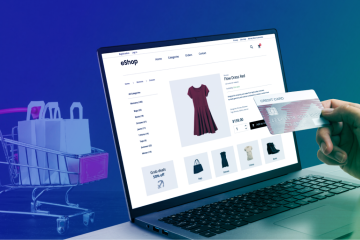
E-Commerce Strategies for Growth: Build, Market, and Scale Your Online Store

E-commerce continues to reshape how consumers shop and how businesses operate. With convenience, personalization, and global accessibility at the core, online selling offers limitless opportunities for brands willing to adapt and innovate.
Building a Strong Online Store
Optimize Your Website for User Experience
A seamless shopping journey encourages conversions. Focus on:
- Fast loading speed
- Mobile-friendly layouts
- Clear navigation menus
- Easy checkout process
Create High-Quality Product Pages
Effective product pages influence purchasing decisions. Include:
- Detailed product descriptions
- Clear, high-resolution images
- Honest customer reviews
- Accurate specifications and sizing guides
Ensure Secure Payment Options
Trust is essential for any transaction. Offer:
- Multiple payment methods
- Clear return and refund policies
- Visible security badges
- Encrypted checkout systems
Mastering Digital Marketing for E-Commerce
Use Social Media to Drive Sales
Social platforms are powerful traffic sources. Utilize:
- Product stories and reels
- Influencer partnerships
- Paid ad campaigns
- User-generated content
Leverage Email Marketing
Email remains one of the highest-converting channels. Implement:
- Automated welcome sequences
- Personalized recommendations
- Abandoned-cart reminders
- Exclusive offers for subscribers
Invest in Search Engine Optimization
Organic visibility boosts long-term traffic. Prioritize:
- Relevant keywords
- Structured product data
- High-quality blog content
- Optimized metadata
Improving Customer Engagement and Retention
Offer Excellent Customer Support
Support can make or break customer loyalty. Provide:
- Live chat assistance
- Clear FAQs
- Quick response times
- Hassle-free returns
Build Loyalty Programs
Rewarding customers encourages repeat purchases. Try:
- Points-based programs
- Tiered membership levels
- Special perks for returning buyers
- Referral incentives
Personalize the Shopping Experience
Tailored interactions increase customer satisfaction. Use:
- Product recommendations
- Personalized emails
- Location-based offers
- Customized landing pages
Streamlining Operations for Efficiency
Manage Inventory Smartly
Efficient inventory control prevents overselling or stockouts. Use:
- Automated inventory tools
- Real-time tracking
- Demand forecasting
- Vendor coordination
Optimize Shipping and Delivery
Fast, reliable delivery builds trust. Consider:
- Multiple shipping carriers
- Real-time tracking updates
- Flexible delivery options
- Clear shipping policies
Analyze Data to Refine Your Strategy
Data-driven decisions lead to consistent improvement. Track:
- Conversion rates
- Customer behavior patterns
- Most-viewed products
- Traffic sources
Frequently Asked Questions
1. How do I choose the best e-commerce platform for my business?
Select one that aligns with your budget, technical skill level, and long-term needs. Evaluate features, scalability, and available integrations.
2. What is the most effective way to reduce cart abandonment?
Provide a streamlined checkout process, transparent pricing, and multiple payment methods.
3. How can small businesses compete with large online retailers?
Focus on niche markets, exceptional service, and personalized customer experiences.
4. Do product reviews really impact online sales?
Yes, reviews build trust and help potential buyers make informed decisions.
5. What types of content help increase e-commerce traffic?
Blogs, buying guides, tutorials, and social media content all drive more visitors.
6. Should I offer free shipping?
If feasible, free shipping can significantly boost conversions, especially when tied to order minimums.
7. How important is mobile optimization for an online store?
Very important—most online shoppers use mobile devices, making mobile-friendly design essential.