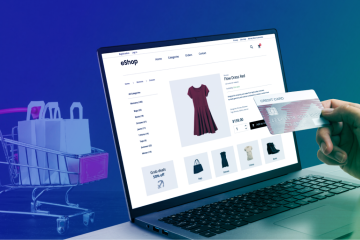
The Future of Ecommerce: Innovation, Trust, and the Human Experience

In the span of just a few decades, ecommerce has transformed from an intriguing novelty to one of the most dominant forces in global commerce. What began as a means to purchase books or CDs online has evolved into a dynamic ecosystem where billions of people seamlessly interact with brands, products, and services on a daily basis. Today, ecommerce is not simply about selling—it is about creating meaningful, personalized experiences that blend convenience, technology, and trust.
From Transaction to Experience
The earliest phase of ecommerce revolved around efficiency. Shoppers were drawn to the concept primarily because of the ability to browse a wide selection, compare prices, and avoid the hassle of visiting physical stores. While speed and convenience remain fundamental, modern consumers want more than just a smooth checkout. They expect an experience that resonates emotionally, reflects their values, and anticipates their needs.
For example, a shopper today does not merely click “add to cart.” They engage with immersive visuals, customer reviews, personalized recommendations, and even augmented reality tools that allow them to visualize products in their own space. Ecommerce has moved from being a purely transactional environment to a space where storytelling, branding, and technological innovation converge.
Key Drivers of Modern Ecommerce
Several forces are shaping how ecommerce continues to expand and evolve:
1. Mobile Commerce
With smartphones serving as extensions of daily life, mobile commerce has become the primary channel for shopping. What once required sitting down at a desktop is now accomplished in seconds via mobile apps and responsive websites. This shift has made design simplicity, mobile payment options, and intuitive navigation non-negotiable.
2. Personalization Powered by Data
Consumers are increasingly aware of how their data is used, yet they still reward brands that use it intelligently. Personalized product suggestions, targeted promotions, and curated content based on browsing history or purchase behavior have significantly improved engagement. The fine balance lies in being helpful without being intrusive.
3. Social Shopping
Social media platforms have become more than places to connect with friends—they are powerful ecommerce hubs. From live shopping streams to direct purchasing through integrated store functions, social shopping aligns commerce with entertainment and community. This trend highlights how consumer decisions are often influenced by peers, influencers, and social storytelling.
4. Sustainability and Conscious Consumerism
More people are aligning their purchases with their ethical values. Ecommerce brands that focus on eco-friendly packaging, transparent sourcing, and fair labor practices are winning favor among today’s increasingly conscious consumers. Trust and purpose are now integral parts of customer decision-making.
Opportunities and Challenges
Ecommerce presents both extraordinary opportunities and pressing challenges.
Opportunities
-
Global Reach: Even small businesses have access to international markets that were once unattainable without enormous investment.
-
Automation and AI: From predictive analytics to intelligent chatbots, technology is making operations leaner and customer interactions faster.
-
Subscription Models: Recurring revenue strategies are thriving, offering consumers convenience while providing businesses steady income streams.
Challenges
-
Increasing Competition: With lower barriers to entry, businesses are continuously fighting to stand out in crowded digital marketplaces.
-
Cybersecurity Risks: As reliance on digital payments grows, so does the sophistication of fraud attempts. Brands must prioritize data security and customer trust.
-
Customer Expectations: Shoppers now expect near-instant delivery, flawless digital experiences, and responsive customer support. Meeting these benchmarks can strain resources, particularly for smaller companies.
The Human Side of Ecommerce
While technology continues to drive ecommerce, the human element remains central. Consumers do not remember only what they purchased; they remember how they felt while engaging with a brand. Businesses that triumph recognize this truth and infuse humanity into their digital presence.
Personalized emails that feel like conversations, intuitive post-purchase communication, and empathetic customer service can transform casual buyers into loyal advocates. Ecommerce may be powered by algorithms and automation, but it succeeds when customers feel seen, heard, and respected.
The Next Chapter: Where Ecommerce is Heading
Looking forward, ecommerce is on track to integrate even more deeply into everyday life. Several promising horizons are worth noting:
-
Augmented & Virtual Reality (AR/VR): Imagine walking through a virtual store with the same spontaneity as browsing a physical aisle. This immersive shopping experience will likely become increasingly mainstream.
-
Voice Commerce: With smart speakers and voice assistants on the rise, consumers will soon shop more frequently using conversational voice commands.
-
Hyperlocal Logistics: Faster fulfillment, aided by neighborhood micro-warehousing and drone deliveries, will redefine customer expectations for immediacy.
-
Blockchain and Decentralization: Beyond payments through cryptocurrencies, blockchain could revolutionize supply chain transparency and authenticity verification.
Building Trust in the Digital Age
Trust is the currency of ecommerce. Every transaction depends upon customers believing their payment information is secure, their goods will arrive on time, and their concerns will be acknowledged. In a crowded online marketplace, credibility is not simply built through marketing but through consistency and integrity.
Elements such as transparent product descriptions, genuine reviews, hassle-free return policies, and responsive customer engagement make a decisive difference. Ecommerce brands that cultivate trust do more than sell—they build enduring relationships in a world where countless alternatives are just a click away.
Conclusion: Redefining Commerce for the Future
Ecommerce is no longer a separate domain from traditional commerce—it is commerce. It is shaping how people discover, connect, and consume. What matters most is not merely deploying the latest technology but understanding the evolving psychology of the modern customer.
As we move into the next phase, successful ecommerce ventures will not be defined solely by the size of their catalog or the speed of their delivery. Instead, they will be distinguished by their ability to create experiences that blend innovation with human connection, efficiency with empathy, and commerce with conscience.